In recent years, the interior design scene has seen a welcome shift away from the stark minimalism that dominated the early 2010s. The move is towards embracing architectural details that add character and warmth to rooms — one need only scroll through Instagram or Facebook feeds dedicated to home renovations to spot this trend. From elegant skirting boards to classic architrave framing doors and windows, these details are returning to conversations around British interiors and practical refurbishment.
Among the practical choices homeowners and renovators face is the decision to use pre-primed mouldings, such as MDF trim, versus raw timber. But are pre-primed mouldings easier to paint, and do they truly speed up renovation finishing? Let’s explore this alongside why architectural trim is essential for creating cohesion and character in your rooms.
The Return of Architectural Details to Interior Design
As featured in Northern Life Magazine, the once-overlooked architectural details are staging a comeback. Homeowners are increasingly aware that leaving walls plain and trim minimal can make spaces feel cold and incomplete. Instead, mouldings like skirting, architrave, and panelling reintroduce texture, layering, and scale that pull a room together.
For instance, architrave — the trim framing doors and windows — is no longer a mere functional afterthought. It operates as a framing tool, directing the eye and emphasising entry points or natural light sources. As the UK Government Planning Portal notes, even small interior changes can influence a room's perceived value and functionality, meaning attention to architectural detail often aligns with better long-term investment.
Moreover, there is a growing appreciation of how skirting boards and panels work cohesively with architrave. Matching or complementary profiles can harmonise a room's look, creating visual continuity that enhances the home's style and presence.
What Are Pre-Primed Mouldings?
Pre-primed mouldings are pieces of MDF (medium-density fibreboard) or timber that arrive factory coated with primer. This means that the base coat — typically a white or off-white primer designed to accept subsequent paint layers — is already applied, saving time and ensuring a level finish before topcoating.
MDF trim is particularly popular due to its smooth surfaces, affordability, and ease of cutting and shaping at home. Companies like Skirting King offer a wide range of pre-primed skirting boards, architrave, and panel mouldings, making them viable options for those wanting a professional finish without specialist equipment.
Painting MDF Trim: The Challenge and the Solution
Painting MDF presents specific challenges compared to painting raw timber:
- Absorption: MDF is very absorbent before priming, which means raw MDF quickly soaks in paint and can swell. Edges: The cut edges of MDF are rough and absorbent, requiring sealing to prevent paint from flaking. Surface Smoothness: MDF’s smooth faces are ideal, but if not primed properly can cause adhesion problems.
These factors mean that painting raw MDF trim demands several preparation steps: sanding edges to smooth https://northernlifemagazine.co.uk/how-architrave-became-the-hero-of-modern-decor/ them out, applying appropriate sealant or primer, and lightly sanding between coats to get that perfect smooth finish.
By contrast, pre-primed mouldings arrive with these technical steps already managed at the factory, such as sealing edges and an even coat of primer applied using industrial equipment. This difference represents a significant timesaver, especially during renovation projects where every hour counts.
Are Pre-Primed Mouldings Truly Easier to Paint?
The short answer is yes — pre-primed mouldings are generally easier and faster to paint. Here’s why:
Time Savings: Because the primer coat is already applied uniformly, you avoid the initial messy and time-consuming steps. Consistent Quality: Factory priming is usually superior to DIY, giving better adhesion and a uniform base colour for your topcoats. Reduced Surface Sanding: Pre-finished surfaces require less sanding, reducing dust and preparation time. Cleaner Job: Because you do not need to seal the edges yourself, less paint bleeds or runs occur, resulting in a neater finish.However, a caveat is that even pre-primed mouldings benefit from a light sanding before painting to ensure good paint key, and the cut ends should be spot-primed if you cut the lengths yourself — no factory primer touches raw edges made onsite.
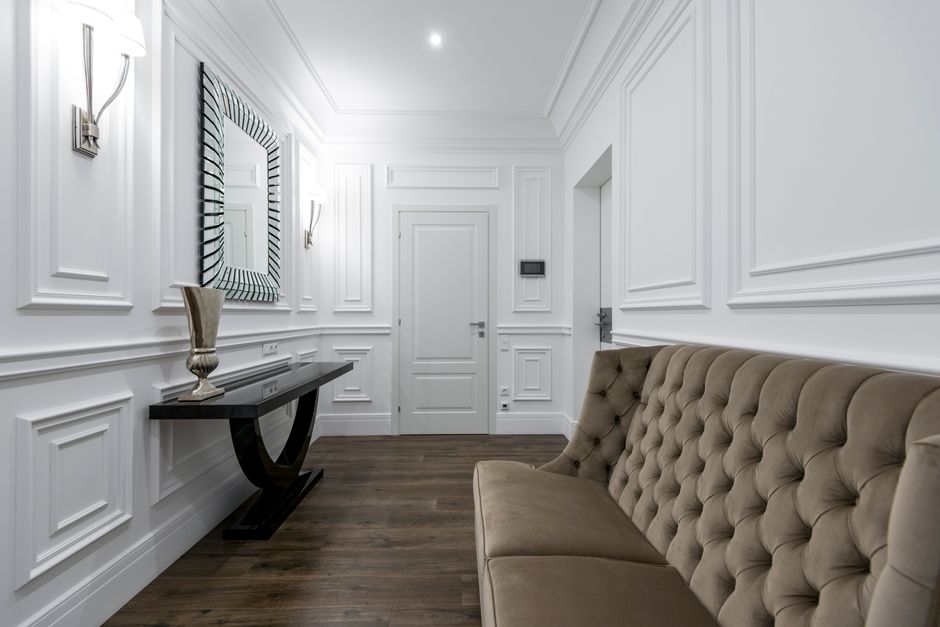
Still, the overall faster renovation finishing associated with pre-primed mouldings can be a game changer for many projects, allowing the focus to shift from preparation to applying topcoats and final detailing.
How Trim Choices Influence Room Cohesion
Choosing trim profiles that complement each other is key to achieving harmony in a room’s design. For example, pairing a classic ogee-profile skirting board with matching architrave and panel mouldings can create a seamless look that elevates even modest Victorian terrace homes — as frequently celebrated in Northern Life Magazine style features.
Mixing and matching without considering scale or style can break up the visual narrative and detract from a space’s flow. Thus, sourcing your pre-primed mouldings from specialist suppliers like Skirting King, who offer full range kits and custom options, makes consistency in profile and finish much more achievable.
What About Regulation and Planning?
When extending or altering your home, it's wise to check details on the UK Government Planning Portal to understand if planned changes, including new internal joinery or trim, require listed building consent or planning permission. Although most internal works do not need permission, historic properties often require special care when specifying materials and profiles.
This makes choosing pre-primed mouldings that mimic traditional profiles extremely useful for sensitive refurbishments, allowing homeowners to satisfy both aesthetic and planning requirements simultaneously.

Tips for Painting Pre-Primed Mouldings
Even with pre-primed mouldings, a few steps ensure the best possible finish:
Light Sanding: Use fine-grit sandpaper (around 220 grit) to smooth any imperfections in the primer coat. Clean Dust Off: Wipe down with a damp cloth or tack cloth to remove sanding dust completely. Seal Cut Ends: Apply a suitable sealing primer or sanding sealer to raw cut ends for moisture resistance. Use Appropriate Paint: Opt for an eggshell or satin finish paint designed for woodwork or MDF. Apply Multiple Thin Coats: Allow drying between coats and avoid thick brush marks or runs.Following these steps preserves the neat factory base and results in a professional finish with less effort than starting with raw MDF.
Final Thoughts
The resurgence of architectural details in interior design highlights the importance of quality trim work in making spaces feel complete and stylish. Pre-primed mouldings offer a convenient, reliable way to bring these details into your home without sacrificing time or finish quality.
Whether you're restoring a period property or refreshing a modern home, investing in pre-primed MDF trim from reputable suppliers like Skirting King, and following careful painting techniques, will pay dividends in creating rooms that look genuinely cohesive and considered.
For inspiration and advice, checking out Northern Life Magazine and monitoring home renovation groups on social media platforms such as Instagram and Facebook can help you see how others are using trim to elevate their spaces effectively and with style.
Written by a UK-based interiors enthusiast with over a decade of experience around renovation projects and joinery products.