Thinking of upgrading your home's comfort with a DIY mini split but wondering if you can integrate it with voice assistants like Amazon Alexa or Google Assistant? You’re not alone. Voice control has become a staple convenience in modern smart homes, and it’s natural to want to pair that with your HVAC setup. In this post, we’ll cut through the jargon and give you a clear picture of what’s possible today, especially with popular brands like Zone Air and MrCool.
Why Consider a DIY Mini Split?
Before we get into voice control specifics, let's cover why DIY mini splits have gained traction among homeowners and small contractors alike.

- Pre-charged R454B quick-connect linesets: Traditional mini splits require a trained HVAC technician to vacuum the lines and charge refrigerant, but brands like Zone Air and MrCool have innovated with pre-charged quick-connect linesets using environmentally friendlier R454B refrigerant. This means no vacuum pump or EPA 608 certification is needed, saving you time and money. Plug-and-play design: Many DIY units come with a 115V power plug you can simply plug into a standard outlet (although some higher capacity units require a 230V dedicated circuit). Tool and certification savings: Because of quick-connect linesets and no refrigerant handling requirement, you don’t need gauges, vacuum pumps, or certified HVAC licenses — huge cost and complexity reducers for DIYers.
For instance, the Zone Air DIY 9,000 BTU 23 SEER2 115V wall mount unit – perfect for rooms up to 450 sq ft – was recently priced at $1,899.99, discounted from $2,499.99. That’s a solid value for an efficient, beginner-friendly system.
Understanding Sizing: Don’t Oversize Your Mini Split
I always say, measure your rooms twice and avoid the common trap of over-sizing BTUs. Oversizing is tempting, thinking you'll "just be safe," but it turns out that can cause short cycling, poor humidity control, and wasted energy.
The 9,000 BTU unit mentioned above is rated for about 400 to 450 square feet. Here’s a quick sizing guideline:
Square Footage BTU Capacity Suggested Voltage Up to 450 sq ft 9,000 BTU 115V (Plug & Play) 450 - 700 sq ft 12,000 BTU 115V or 230V (Check specs) 700 - 1,200 sq ft 18,000 BTU 230V Dedicated CircuitI see many DIYers skip measuring wall lengths or ceiling height, which leads to errors. It’s not just about square footage — insulation quality, window exposure, and ceiling height affect load. When in doubt, get a professional Manual J load calculation done or use the manufacturer's sizing tool online.
Power Realities: 115V Plug-and-Play vs. 230V Dedicated Circuit
One of the biggest points of confusion is power requirements. Many DIY mini splits advertise "plug and play" with a 115V cord, which is great for smaller capacities up to about 12,000 BTU. This means you can plug the indoor unit directly into a standard outlet — but always ask “what breaker is this on?” before installing. You want to ensure the circuit is dedicated or has enough amp capacity to handle the load safely.
For units that require 230V power (often 18,000 BTU and above), it’s not as simple. You must install a dedicated circuit breaker, something not every DIYer is comfortable doing themselves. It’s also critical to use proper connectors and ensure connections torque to spec. I keep a running list of “small mistakes that turn into big leaks,” and improper wiring or ignoring torque specs is always on there.
How Do Voice Controls Like Amazon Alexa and Google Assistant Fit In?
Now for the part you probably came here for — can you operate your DIY mini split using voice control through Amazon Alexa or Google Assistant? The short answer is it depends on your model and setup.
Built-In Wi-Fi and App Integration
Many modern mini splits, including models from Zone Air and MrCool, now come with built-in Wi-Fi or optional Wi-Fi modules. This allows you to control the system from a smartphone app. For example, Zone Air offers a proprietary app that can control temperature, fan speed, mode, and schedules.
Alexa and Google Assistant Compatibility
Once your mini split is connected to your home Wi-Fi and accessible via an app, the next step is to check if that app supports integration with Amazon Alexa or Google Assistant. MrCool DIY units, for example, have steadily improved their smart home integrations and now support both voice assistants through their app ecosystem.
- Amazon Alexa: With Alexa, you can enable a skill linked to your mini split’s app, then control basic functions through voice commands like "Alexa, set the living room mini split to 72 degrees." Google Assistant: Similar to Alexa, Google Assistant supports voice commands by linking with the HVAC app. "Hey Google, turn on the bedroom air conditioner."
While most DIY mini splits support these major platforms, the degree of control varies. Typically, you’ll get the basics—power on/off, temperature set points, fan speed—but advanced features like diagnostics or refrigerant line status are often unavailable via voice.
DIY mini split for bedroomSmart Home Hubs and Third-Party Integrations
In some cases, you can also integrate your DIY mini split into broader smart home ecosystems using smart hubs (like SmartThings) or third-party controllers if the manufacturer allows open APIs or works with IFTTT. This is a bit more advanced but opens up possibilities for automations (e.g., turn off HVAC when you leave home).
What Does the Pre-Charged R454B Quick-Connect Lineset Change?
This is a game-changer for DIY installation. Traditional mini splits require connecting copper refrigerant lines, brazing, vacuum pumping to remove moisture and air, then charging refrigerant to precise specs — tasks that require specialized tools and EPA-licensed technicians.
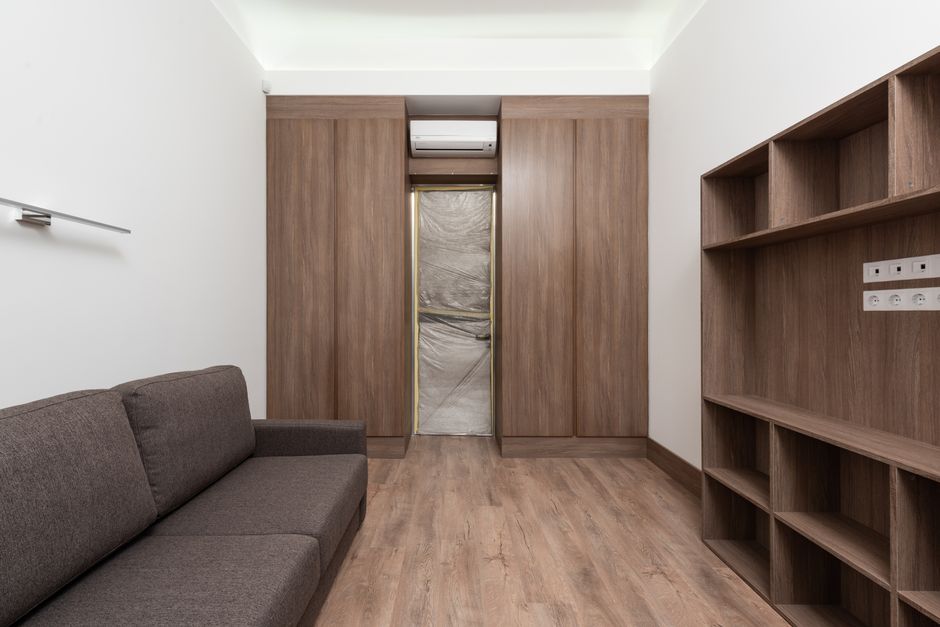
Pre-charged quick-connect linesets eliminate most of that hassle. Here’s what changes:
- No EPA 608 certification needed: Because you’re not handling refrigerant yourself, you avoid EPA regulations requiring certification to work with refrigerants. No vacuum pump or gauges: The system comes pre-charged with R454B, an environmentally friendlier refrigerant, and uses quick-connect fittings that snap together. No brazing or vacuuming required. Reduced risk of leaks: Since you don’t manipulate lines with torches, the risk of small pinhole leaks lowers significantly. But always remember to torque all connections to spec — loose fittings are still how leaks happen.
This convenience makes the entire process approachable for knowledgeable DIYers comfortable with electrical work and standard hand tools, but not HVAC certification or specialty tools.
Common Mistakes to Avoid When Installing DIY Mini Splits
Having managed countless HVAC supply counters, I’ve seen what trips people up most. Here’s my running list of small mistakes that turn into big leaks — mistakes you want to avoid with your DIY mini split:
Ignoring torque specs on line connections: Too loose, and refrigerant leaks; too tight, you risk damaging fittings. Not measuring your room properly: Before sizing, measure wall areas carefully and account for insulation, windows, ceiling height. Over-sizing BTU capacity “just in case”: Bigger is not always better. It’s expensive upfront and inefficient long-term. Skipping circuit breaker checks: Always verify what breaker the mini split will run on to avoid tripping or electrical hazards. Assuming voice control means “full control”: Voice assistants handle basics well but don’t expect diagnostic or advanced modes. Attempting to repair or unkink damaged linesets: With pre-charged quick-connect systems, replace damaged lines rather than trying to “just unkink” them.Final Thoughts: Should You Buy a Voice-Controlled DIY Mini Split?
If you want to combine energy-efficient heating and cooling without the cost or complexity of a full HVAC installation, DIY mini splits with quick-connect linesets and voice control may be the sweet spot. The Zone Air DIY 9,000 BTU 23 SEER2 115V wall mount unit, at around $1,899.99, is a great example offering powerful performance for small to medium spaces with easy installation.
Just remember:
- Measure before you buy and size correctly by square footage to avoid costly oversizing. Check the power requirements — 115V plug-and-play models are easier but limited in capacity. Higher capacities need 230V circuits and more electrical know-how. If voice control is a priority, ensure the unit supports Wi-Fi and integrates with Amazon Alexa or Google Assistant as advertised. Follow manufacturer torque specs exactly on all connections and never skip a step — small mistakes = big leaks.
With careful planning, a DIY mini split can bring both smart convenience and efficient climate control to your home — yes, even with Amazon Alexa or Google Assistant voice commands.